Biometric Verification Trends Reshaping Access Patterns in Combined Digital Wagering Environments
Morgan Long · Oct 18, 2026
Biometric Verification Trends Reshaping Access Patterns in Combined Digital Wagering Environments
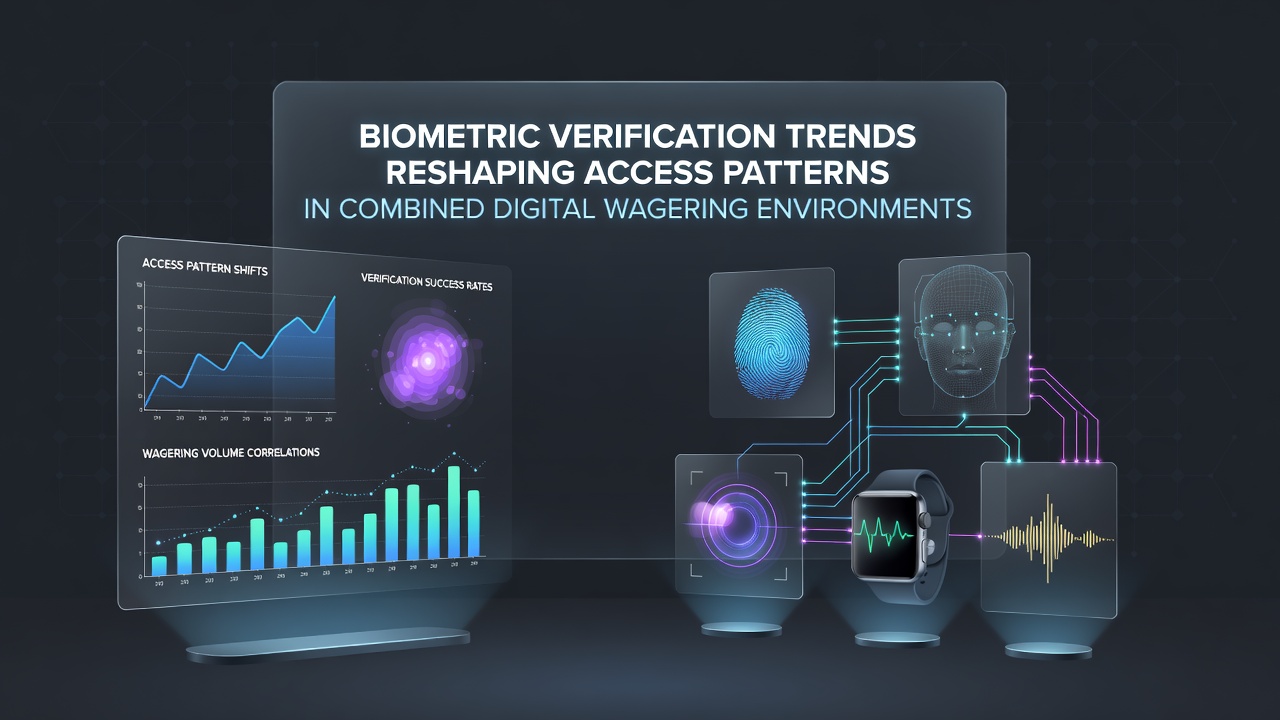
Biometric verification has moved from optional add-on to core infrastructure across platforms that blend sports betting, table games, and slot sessions into single mobile accounts. Data from regulatory filings and operator reports indicate that fingerprint, facial, and voice recognition systems now handle a growing share of login and transaction approvals in these integrated environments. As of October 2026, several major operators report that over half of daily active users complete at least one biometric step per session when moving between athletic forecasts and live dealer tables.
Adoption Patterns Across Integrated Platforms
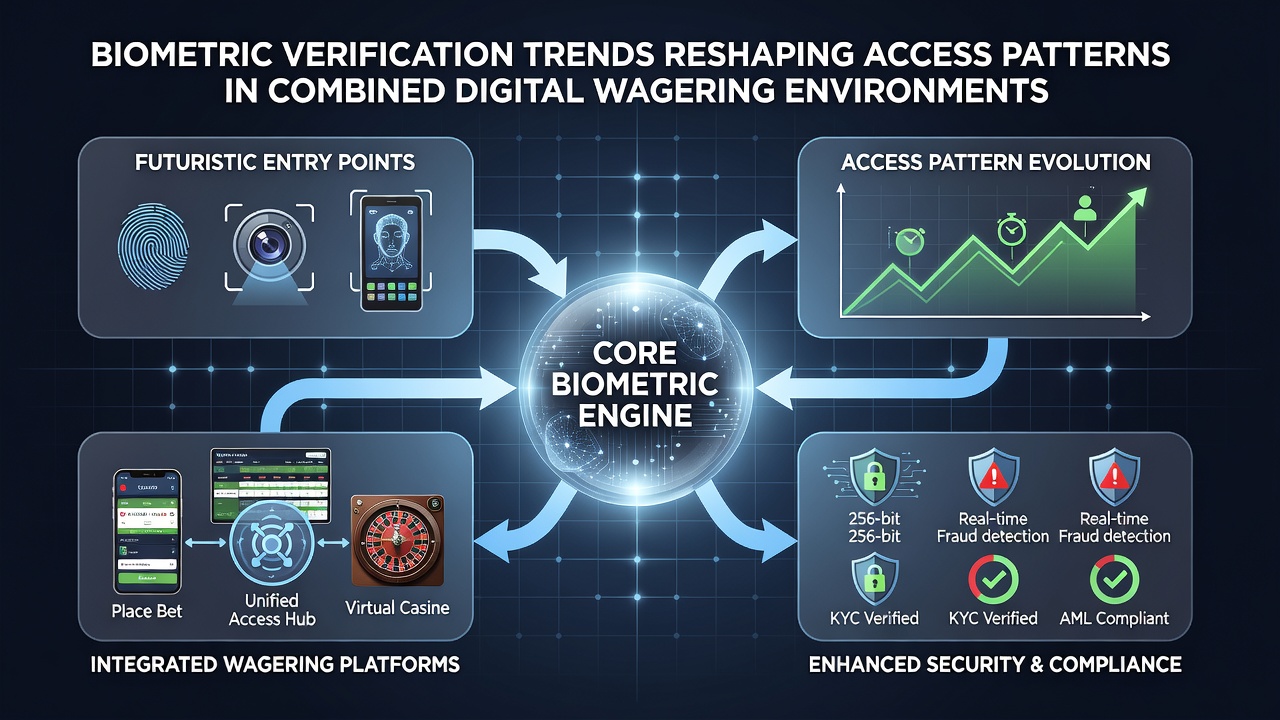
Operators have integrated biometric checks at multiple touchpoints because users frequently shift between game types within the same app. A single session might begin with a sports wager, move to a slot round, and end at a live roulette table, each transition requiring fresh authentication under many licensing rules. Studies compiled by the European Gaming and Betting Association show that platforms using multi-modal biometrics reduce account-sharing incidents by measurable margins compared with PIN-only systems. Facial recognition tends to dominate mobile flows, while fingerprint sensors handle quicker in-app confirmations on devices that support them.
Voice biometrics appear in customer-support handoffs and high-value withdrawal approvals, where operators combine audio patterns with device metadata. Those who've analyzed transaction logs note that combined environments see higher verification frequency than single-vertical apps, since regulatory frameworks in multiple jurisdictions treat each game category as a distinct risk point.
Regulatory Drivers and Technical Standards
State and national regulators have updated technical standards to require stronger identity assurance when accounts grant access to multiple wagering formats. The New Jersey Division of Gaming Enforcement, for instance, now references biometric audit trails in its compliance checklists for multi-game operators. Similar language appears in recent guidance from Australian state authorities overseeing digital wagering licenses. These rules push developers to embed verification earlier in the user journey rather than only at deposit or withdrawal stages.
Technical standards bodies have published interoperability frameworks that allow different biometric vendors to work within the same backend. Operators testing these frameworks report smoother handoffs when a user switches devices mid-session, a common behavior in combined sports-and-casino portfolios. Research indicates that liveness detection layers, which distinguish live faces from photos or recordings, have become standard in most new deployments since 2025.
Impact on User Flow and Session Continuity
Biometric gates reshape how players navigate combined environments because they replace repeated password entry with quicker scans. Observers tracking mobile analytics see fewer abandoned sessions at game-type transition points when facial recognition activates automatically after a short inactivity window. This matters in portfolios that route winnings from one vertical directly into another, since each movement can trigger compliance checks.
Device-level biometrics also interact with operator-controlled systems. Many smartphones now store encrypted templates locally, and operators query these templates through secure APIs rather than transmitting raw images. Data shows this hybrid approach cuts latency while still satisfying audit requirements that demand verifiable logs of every access event.
Security Metrics and Emerging Challenges
Industry reports compiled through October 2026 list reduced account takeover rates in biometric-enabled apps, particularly when multi-factor combinations include both device biometrics and behavioral signals such as swipe patterns or session timing. Yet the same datasets reveal new friction points: users with older devices sometimes encounter higher failure rates, prompting operators to maintain fallback paths that still meet regulatory thresholds.
Privacy frameworks in several regions now require explicit consent logs for each biometric modality. Operators that publish transparency reports indicate that opt-out rates remain low when the alternative involves slower manual verification. Researchers examining these consent flows note that clear explanations of data retention periods correlate with higher continued use of biometric options.
Future Integration Points
Developers continue testing palm-vein and iris patterns for high-stakes transfers between betting accounts and casino modules, though these remain limited to pilot programs in licensed markets. Integration with wearable devices appears in early roadmaps, allowing heart-rate or gait data to supplement traditional scans during extended sessions. Regulatory updates expected before the end of 2026 may formalize testing protocols for these emerging modalities in combined wagering settings.
Conclusion
Biometric verification has become the operational backbone for platforms that merge multiple wagering verticals under one account. Regulatory pressure, device capabilities, and user expectations have aligned to accelerate adoption through October 2026. The result is a measurable shift in how access occurs, how sessions flow across game types, and how operators document compliance in real time. Continued refinement of standards and cross-device compatibility will determine the next phase of these access patterns.