Loyalty Tier Synchronizations Linking Table Game Accumulations to Event Forecast Adjustments in App Ecosystems
Alex Lange · Sep 20, 2026
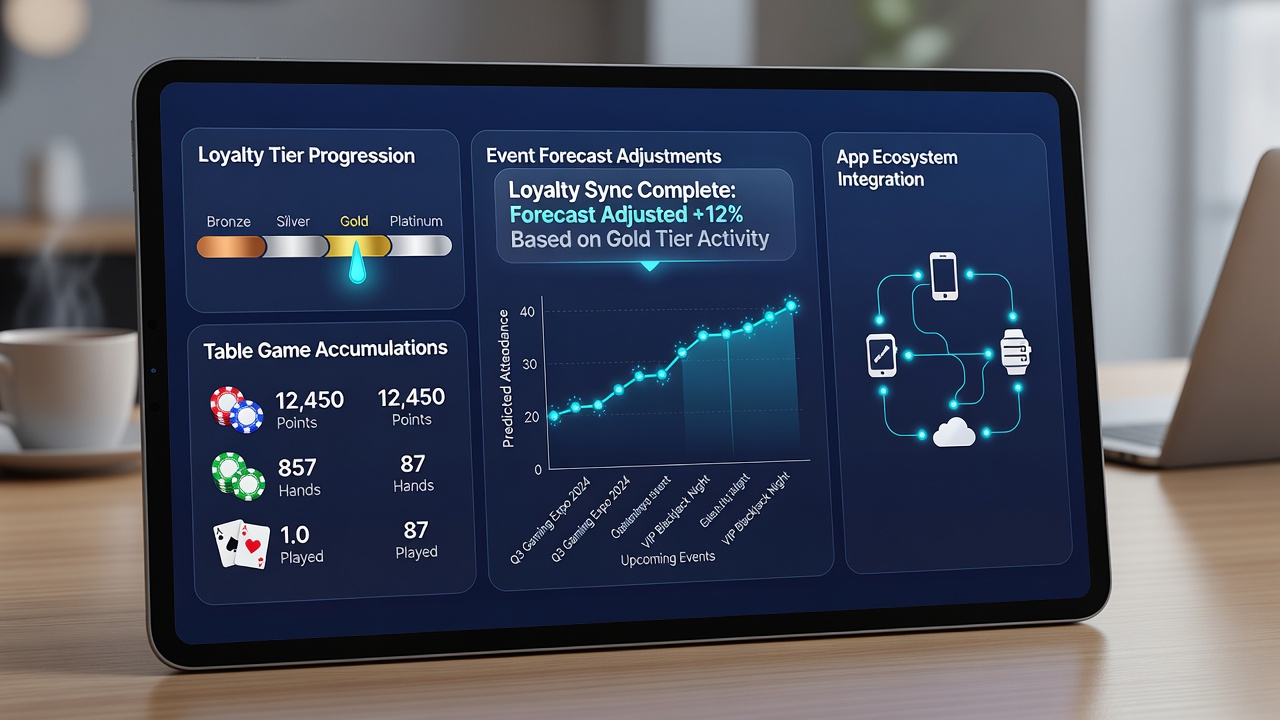
Loyalty Tier Synchronizations Linking Table Game Accumulations to Event Forecast Adjustments in App Ecosystems
App ecosystems in regulated gaming markets have developed loyalty tier structures that connect table game point accumulations directly to adjustments in event forecast features, creating integrated pathways for user progression across different modules. These systems track activity in games such as blackjack and baccarat, then apply the resulting data to refine predictive elements available in other sections of the same application. Operators implement these links through backend protocols that update tier status in real time, allowing accumulated credits to influence forecast accuracy settings without requiring separate user actions.
How Table Game Accumulations Feed Into Tier Systems
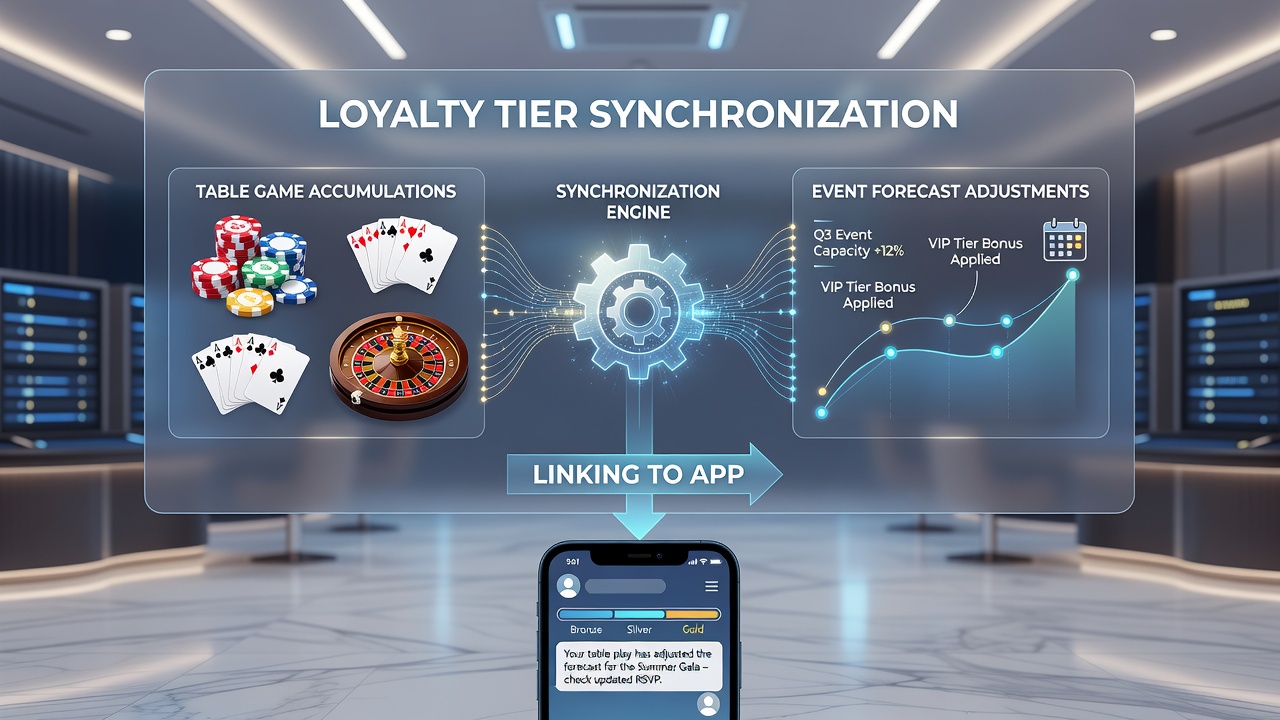
Table game sessions generate points based on wager volume and session duration, with higher tiers unlocking additional synchronization options that modify event forecast parameters. Data from multiple jurisdictions shows that players reaching mid-tier levels see their table game totals automatically recalibrate baseline projections in forecast tools, often within the same app session. This process relies on standardized APIs that pull accumulation records and push them forward to forecast engines, ensuring consistency across devices. In September 2026 several platforms expanded these connections to include multi-game tracking, where points from live dealer interactions combine with digital table metrics to adjust forecast sensitivity levels.
Mechanics of Event Forecast Adjustments
Event forecast modules use tier-derived inputs to scale prediction variables, such as probability weighting or outcome range expansion, that reflect a user's accumulated table game history. Synchronization occurs when the system detects a tier threshold crossing, then applies modifiers that shift forecast outputs according to predefined algorithms. Industry reports indicate these adjustments appear most frequently in applications serving markets in North America and Asia, where regulatory frameworks permit cross-module data sharing under strict audit requirements. Observers note that the linkage reduces manual input needs while maintaining separation between core game mechanics and forecast displays.
Implementation Patterns Across App Ecosystems
Developers structure these synchronizations through tiered permission layers that activate once table game totals reach set benchmarks, typically measured in cumulative handle rather than individual wins. Applications serving Canadian provinces have adopted similar models following updates from the Alcohol and Gaming Commission of Ontario, which outlined compliance standards for cross-feature data flows in 2025 guidance documents. The same approach appears in Australian operations, where the Australian Institute of Criminology has documented how loyalty integrations affect user navigation between table modules and forecast sections. Synchronization events trigger visual indicators on user dashboards, confirming that accumulated points have altered forecast parameters without interrupting active play sequences.
Regulatory and Technical Considerations
Regulatory bodies in different regions require transparent logging of all synchronization events to verify that adjustments remain within approved mathematical boundaries. Technical teams maintain audit trails that record each instance when table game accumulations prompt a forecast change, allowing independent verification during compliance reviews. Platforms operating under Nevada Gaming Control Board oversight, for instance, must demonstrate that tier-based modifiers do not alter core random number generation or payout structures. These safeguards ensure the linkage functions as a user-interface enhancement rather than a game-altering mechanism. Recent expansions in September 2026 introduced encrypted token exchanges between modules, further securing the data handoff process across international app versions.
Observed User Pathway Examples
One documented pattern involves users completing extended baccarat sessions that elevate their tier status, after which forecast tools display refined outcome ranges drawn from the updated profile data. Similar flows appear when roulette accumulations feed into multi-event prediction panels, with the system automatically applying tier multipliers to projection sliders. Industry analyses from the National Council on Problem Gambling highlight how such integrated features maintain clear boundaries between entertainment modules while satisfying jurisdictional reporting mandates. These examples illustrate consistent application of synchronization rules across diverse app architectures without introducing new variables into underlying game mathematics.
Conclusion
Loyalty tier synchronizations continue to evolve as app ecosystems standardize connections between table game accumulations and event forecast adjustments under existing regulatory frameworks. Data from multiple oversight bodies confirms these linkages operate through documented protocols that prioritize compliance and operational consistency. As platforms refine these features in response to market developments, the core structure remains focused on real-time data transfer that respects tier thresholds and approved adjustment ranges.